
Background:
Acute appendicitis (AP) is the most common surgical emergency in childhood. Despite the disproportionate morbidity and length of stay of children with perforated AP, there have been no longitudinal national studies to date focusing on rates of perforation in children.
Methods:
The objective was to improve institutional outcomes and resource utilization in the care of hospitalized children with AP. We examined national trends of perforated versus non‐perforated AP in children aged 1–17 years, using nationwide inpatient databases. The study population of 303,428 children aged 1–17 years was extracted from the Nationwide Inpatient Sample 1997‐2007 (NIS), the Kids’ Inpatient Database 1997–2006 (KID), and the AHRQ Quality Indicators (1994 vs. 2000–2007), HCUP, AHRQ, by selecting discharge ICD‐9 CM codes for acute nonperforated AP and perforated AP. No children were excluded. The outcome variables were: (1) AP perforation rates by age over time; (2) overall trends of perforated AP since 1994 (the first available AHRQ pediatric data set) and year‐to‐year comparison between 1997 and 2007; and (3) resource utilization and changes in practice.
Results:
Age < 4 years old was associated with a high perforation rate (0.65), and this rate has remained unchanged since 1997 (Table 1). Similarly, overall rates of perforation adjusted for age and sex stayed the same when compared with 1994 between 1997 and 2006 and year‐to‐year (2000–2007); see Table 2. Male/female rate remained 0.59–0.60 across conditions over time. Resource utilization showed significant increases in ED admissions, 67%–76%; admissions to children's hospitals, 21%–31%; number of admissions/year, 67,733–81,169 (P < 0.01). Mean hospital charges increased significantly from $9,172 to $21,002, whereas LOS decreased by 18% only for nonruptured AP (P < 0.01). Perforated AP accounted for 45% of aggregate charges in 2006, with a “national bill” of $1.7 billion.

TABLE 1 National Trends in Age‐Related Perforation Rates and LOS
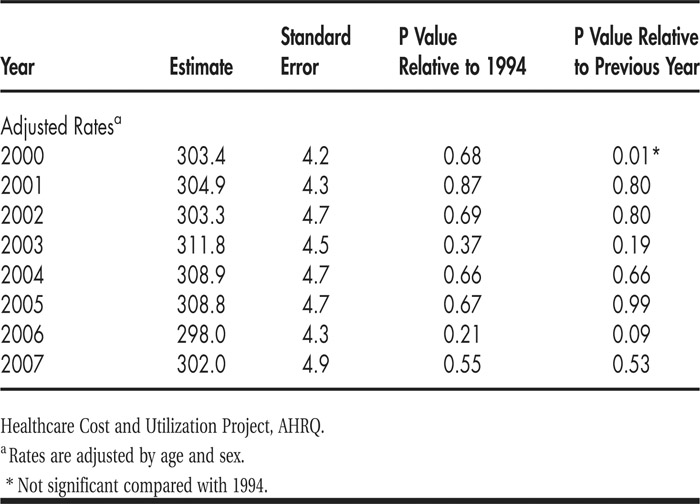
TABLE 2 Perforation Rates per 1000 Patient Admissions with AP Aged 1–17
Conclusions:
This is the first study to report longitudinal normative data in children with ruptured AP in the United States and should assist physicians involved in their care. Age‐dependent and overall rates of perforation remained unchanged from 1994 to 2007 despite changes in practice and resource utilization, suggesting intrinsic rather than extrinsic factors. These provocative epidemiological findings warrant further investigation.
Disclosures:
N. Esteban‐Cruciani ‐ none; K. O’Connor ‐ none; G. Azzarone ‐ none