
Background:
Physicians trained in family medicine represent a growing population of hospitalists in the United States. Based on the 2007–2008 Society of Hospital Medicine (SHM) annual survey, hospitalists trained in family medicine made up 3.7% of U.S. hospitalists. However, 2010 SHM membership data report 6.9% of SHM physicians are trained in family medicine. Despite this rapid rate of growth, there is a lack of information currently available regarding characteristics and practice patterns of these physicians.
Methods:
Family medicine physicians registered with the Society of Hospital Medicine were e‐mailed an electronic questionnaire through Zoomerang Online Survey Software.
Results:
Eighty‐one of the 263 physicians contacted completed the survey, for a return rate of 31%. The majority of respondents (51%) had completed their residency training in excess of 10 years ago, although the largest single group of respondents (37%) fell in the category of 6–10 years since residency completion (Table 1). The majority of these physicians are hospital employees who practice full‐time, with an average daily census of 15.7 patients. In addition to the 97.5% of respondents who provide adult inpatient medical care, 66% provide critical care in the intensive care unit. Twenty‐one percent of doctors also provide inpatient pediatric care, and 28% provide outpatient care. Seventy percent of respondents are involved in SHM or hospital committees,, and 40% serve as leaders in these roles. Finally, 25% of respondents are residency faculty, including 2 residency directors, and a total of 77% of all respondents are involved in some aspect of medical education (Table 2).
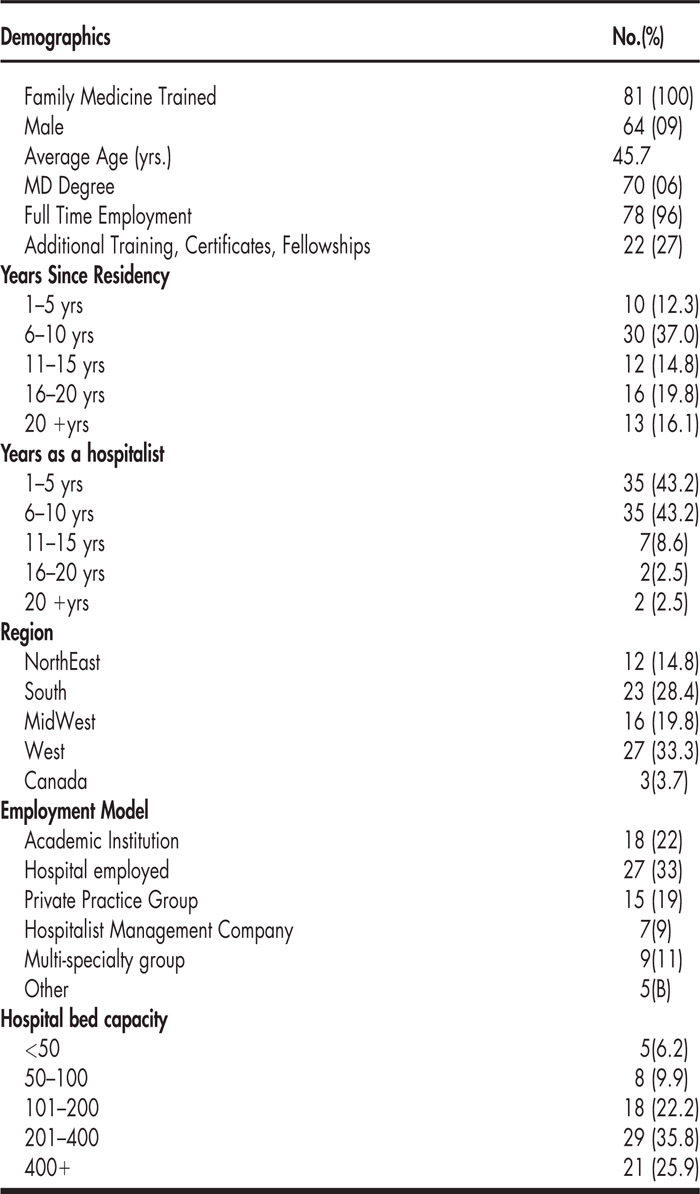
TABLE 1 Characteristics of Hospitalists Trained in Family Medicine Questionnaire Respondents

TABLE 2 Scope of Practice of Hospitalists Trained in Family Medicine Questionnaire Respondents
Conclusions:
The hospitalists who responded to this survey are an experienced group of physicians who practice in a variety of hospital settings across the country. The majority perform primary and consultative inpatient medicine including critical care. Uniquely, a significant number also offer pediatric and outpatient services. In addition to their clinical roles, these physicians participate in committee work and have leadership positions. Finally, with a remarkable number of respondents involved in medical education, these hospitalists are playing a vital role in the training of future physicians.
Disclosures:
S. McElrath ‐ none; C. Geyer ‐ none; J. Dickens ‐ none