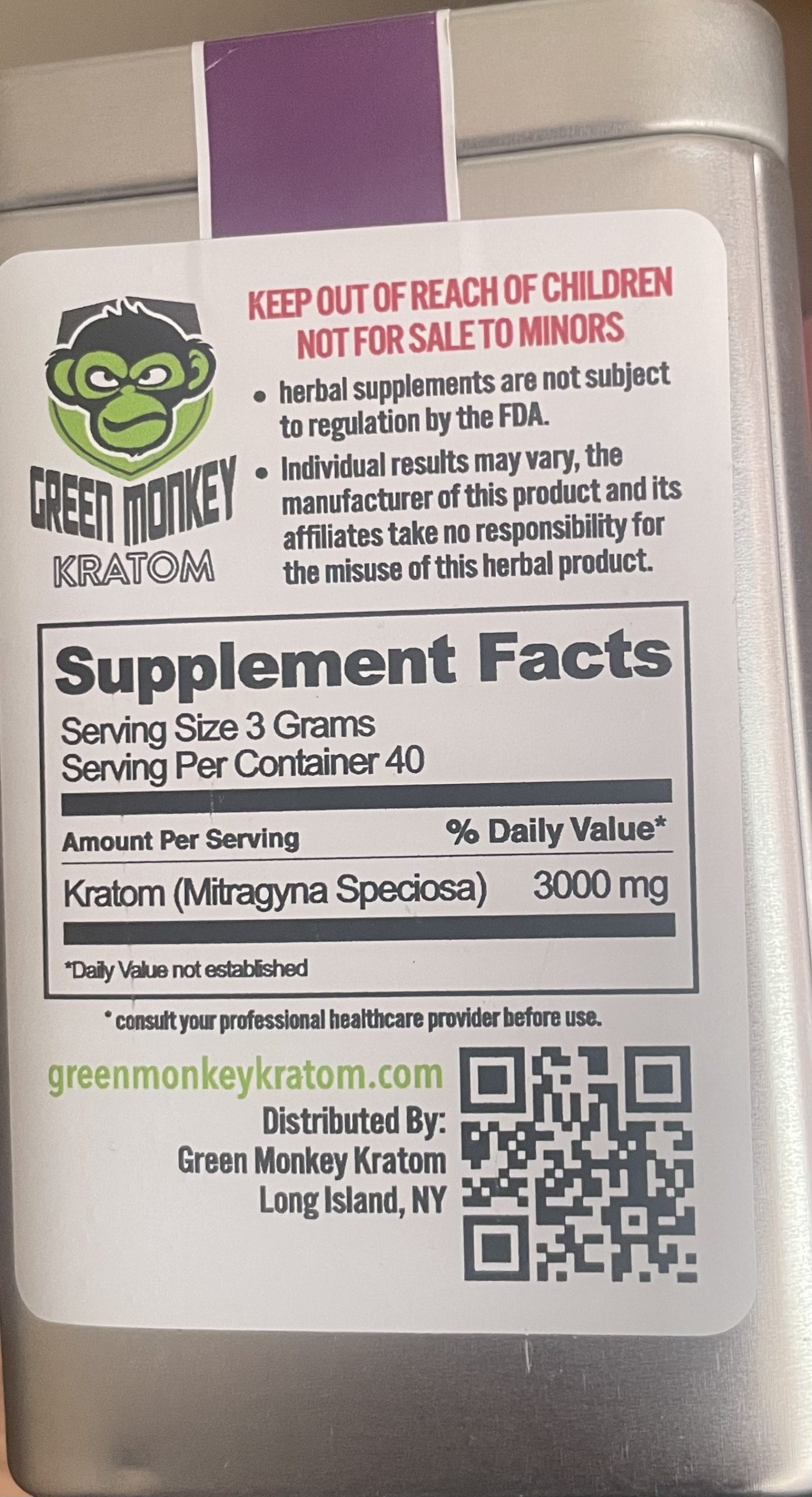
Case Presentation: A 41-year-old female with attention-deficit hyperactivity disorder and chronic back pain presented to the hospital with two weeks of progressive jaundice, scleral icterus, clay-colored stools, and dark urine. She had traveled to New Orleans two weeks prior to her presentation, where she reported engaging in two days of heavy alcohol consumption followed by nausea, vomiting, and diarrhea that had resolved 1 week prior to her presentation. She reported baseline alcohol use of two beers a day, three times a week. Physical exam showed jaundice and scleral icterus with no abdominal tenderness. Her labs showed AST 458 U/L, ALT 606 U/L, alkaline phosphatase 182 U/L, total bilirubin 9.5 mg/dL, direct bilirubin 6.8 mg/dL, and INR 1.4. A RUQ ultrasound showed hepatic steatosis. An extensive work-up was negative including acetaminophen levels, antinuclear, anti-mitochondrial, and anti-smooth muscle antibodies, serum copper concentration, ceruloplasmin, and alpha-1-antitrypsin levels. Hepatitis A, B, C, and cytomegalovirus serologies were negative. Epstein-Barr virus PCR was negative. Phosphatidylethanol level was 583 ng/mL, corresponding to heavy chronic alcohol use. Given the extensive negative workup, our team went back and took a thorough history and discovered that the patient had been taking a herbal supplement that contained 3 g of kratom per serving three times a week for several years for back pain. In conjunction with the gastroenterology team’s assessment, her acute liver injury was attributed to kratom use, which she was advised to permanently discontinue. Her liver function tests spontaneously improved during the course of her admission and later at outpatient follow up.
Discussion: Two unique elements about our case include meticulous history taking to reach an unusual diagnosis and recognizing a rare association of kratom use and liver injury. Without anchoring to the original admission history, our team went back on day two to the bedside to do a thorough history and broaden our differential and discovered the key element of the patient’s kratom use. Drug-induced liver injury (DILI) is the most common cause of acute liver injury in the United States. Herb-induced liver injury (HILI) is a subset of DILI which has become increasingly widespread due to the high frequency of herbal supplement use, most of which are not regulated by the FDA. Kratom is an analgesic with opiate-like properties that is a rare but recognized cause of acute liver injury and primarily affects patients who may be using it to self-medicate for chronic pain or anxiety. Multiple case reports have shown that most patients are young and present with jaundice, dark urine, and a mixed or cholestatic liver injury pattern. Most kratom users do not experience liver injury, but concomitant heavy alcohol use or binge-drinking may be a predisposing risk factor. Almost all cases self-resolve with discontinuation of kratom.
Conclusions: HILI should be on the differential for a patient with acute liver injury due to the ubiquitous use of unregulated herbal supplements and the lack of forthrightness patients may have about their use of supplements, particularly if they have other stigmatized comorbidities such as chronic pain prompting their supplement use, as is the case with kratom. Healthcare providers should take a thorough history of supplement use with an open-ended and nonjudgmental approach and should incorporate caution around the use of unregulated herbal and dietary supplements into routine counseling for all patients.