Background: Graduate medical education programs often use anonymous virtual comment boxes to elicit feedback from residents, fostering a culture of openness and aligning with ACGME standards.(1,2) These platforms allow residents to express concerns safely and anonymously, promoting trust and transparency. While previous studies highlight their positive impact on wellness, no comprehensive analysis exists regarding their usage, concerns raised, or solutions proposed.(1) This study combines qualitative and quantitative methods to analyze submissions, providing insights into resident feedback mechanisms and their role in program improvements.
Methods: The comment box, hosted on Google Forms, collected feedback over 24 months. Submissions were reviewed weekly, and anonymous responses were addressed during biweekly chief meetings. Thematic coding was used to identify recurring themes in the comments, while quantitative analysis examined submission patterns (time, day, and month) and residents’ perceptions of safety. Graphical representations highlighted trends, providing a comprehensive view of submission behaviors.
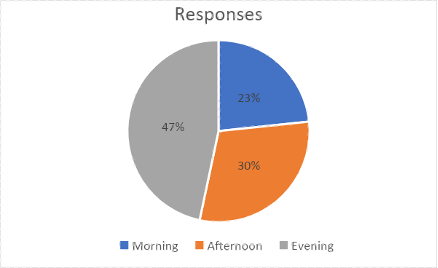
Results: A total of 34 responses were collected through the anonymous comment box during the 24-month period. Qualitative themes included patient care, workload, team dynamics, leadership, and education. Feedback emphasized concerns about schedules, communication, and team structure, along with suggestions for educational and institutional improvements. Quantitatively, submissions peaked in the evening (45%) and on Fridays and Sundays. Most residents (83.9%) felt the platform provided a safe space for concerns.
Conclusions: The findings reveal resident priorities such as patient care, workload, and education, highlighting the need for better team structures and resource allocation. Feedback timing reflects residents’ demanding schedules, with submissions often occurring after clinical duties. Residents tended to submit feedback in the later afternoon and evening, and were more likely to submit near the end of the week, particularly on Fridays and Saturdays. The timing suggests residents have little time to reflect until clinical duties have ended, and that patterns may only emerge after multiple days on a service. This trend suggests that the timing of submissions is influenced by the long hours and the cumulative pressures of their demanding workloads.(6) Addressing workload, improving transparency, and fostering trust are critical for enhancing resident well-being and professional development. This study underscores the value of anonymous feedback in driving meaningful program changes.