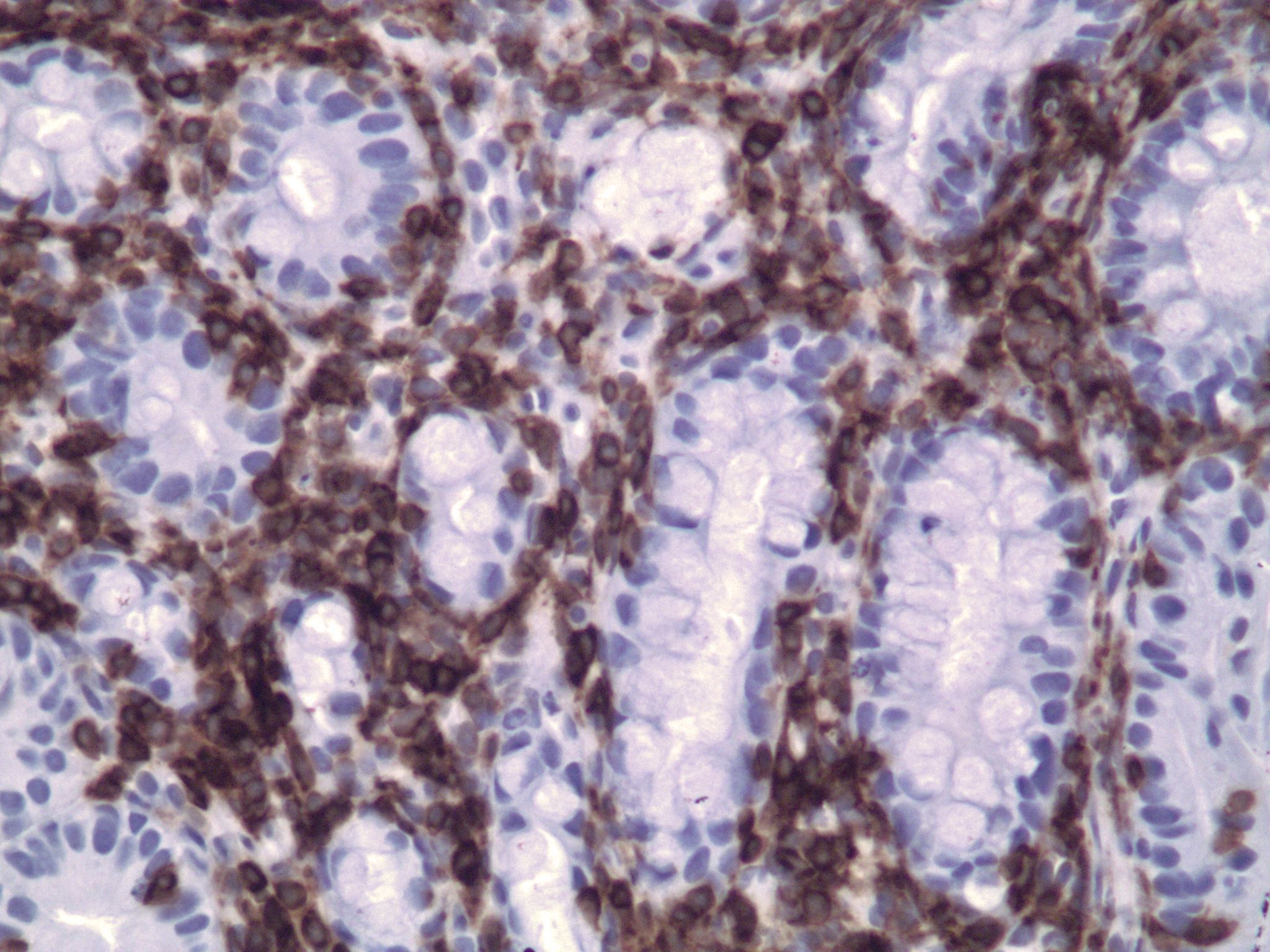
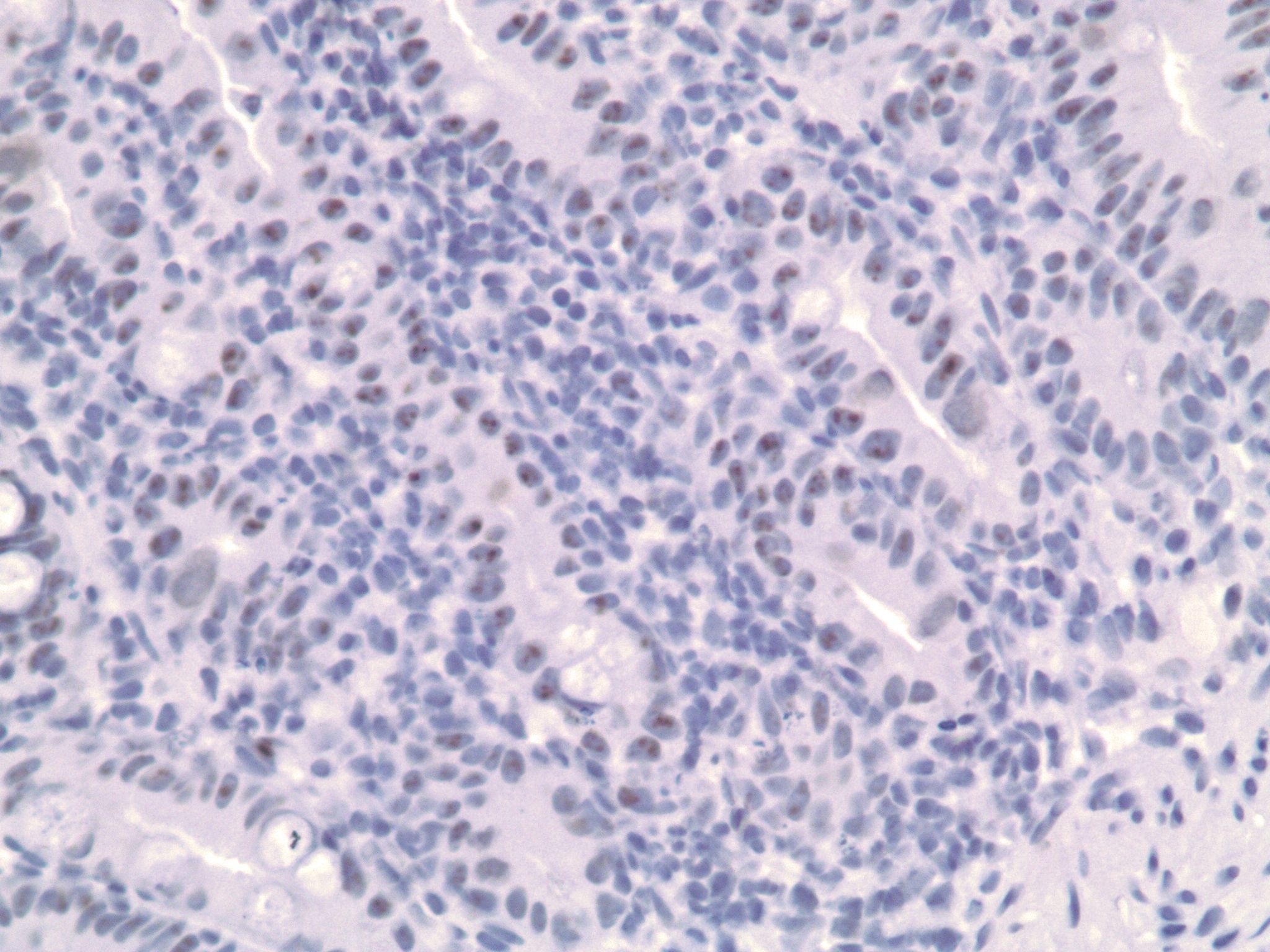
Case Presentation: A 55-year-old woman with multiple myeloma diagnosed 8 years before presentation and refractory to multiple lines of therapy (including intensive immuno-chemotherapy and autologous stem cell transplant (2021/2022), achieved complete remission after CAR-T therapy, received December of 2024. Three months later, patient developed persistent high-volume watery diarrhea (5–6 episodes/day) with > 40lb weight-loss and severe electrolyte derangements. Extensive workup, ruled out infectious, autoimmune, and malabsorptive etiologies. Symptomatic management (loperamide, octreotide, pancrealipase, diphenoxylate & atropine, and opioid tincture) gave minimal relief. EGD demonstrated chronic duodenitis with increased intraepithelial atypical lymphocyte, negative for malignancy; colonoscopy was unremarkable. With worsening symptoms, small bowel Enteroscopy revealed chronic duodenitis; biopsy showed lamina propria expansion with predominantly small mature lymphocytes with minimal mitotic activity. Immunophenotype; CD3+, CD8+, CD4-weak/-, CD56-, CD57-, perforin+ & granzyme B+. Findings were consistent with indolent T-cell lymphoma of the gastrointestinal tract.
Discussion: This case illustrates a rare secondary T-cell lymphoma following CAR-T therapy, presenting within six months of chronic diarrhea. Studies from 2016-2023, 25 of 791 CAR-T patients developed secondary tumors (11 solid tumors and 14 hematological malignancies, including 13 with myelodysplastic syndrome and 1 T-Cell lymphoma (1).FDA reported first secondary T cell lymphoma after CAR-T therapy in 2023, has since reported additional 22 cases and so on (2). A Study published in 2024, found 16 of 449 patients developed solid and hematological malignancy at a median period of 26.4 months and 9.7 months, respectively after CAT-T therapy (3). Notably, the incidence of T cell cancers observed after treatment with approved CAR-T therapies ranges from 0.03% to 1% and it presents with in 1 to 36 months post infusion (4), which contrast with 5-25 years from other malignancies associated with chemotherapy and radiation.
Conclusions: In this case report, we highlight a rare complication of secondary small intestinal T cell lymphoma from CAR-T therapy, but also to emphasize the timeline, given that it developed within six months of treatment. As CAR-T therapy is a relatively recent advancement in oncology, there is limited data available to guide clinical practice. With this case, we emphasize the importance of continued research to better define the risk, long term outcome and management strategies associated with CAR-T therapy.