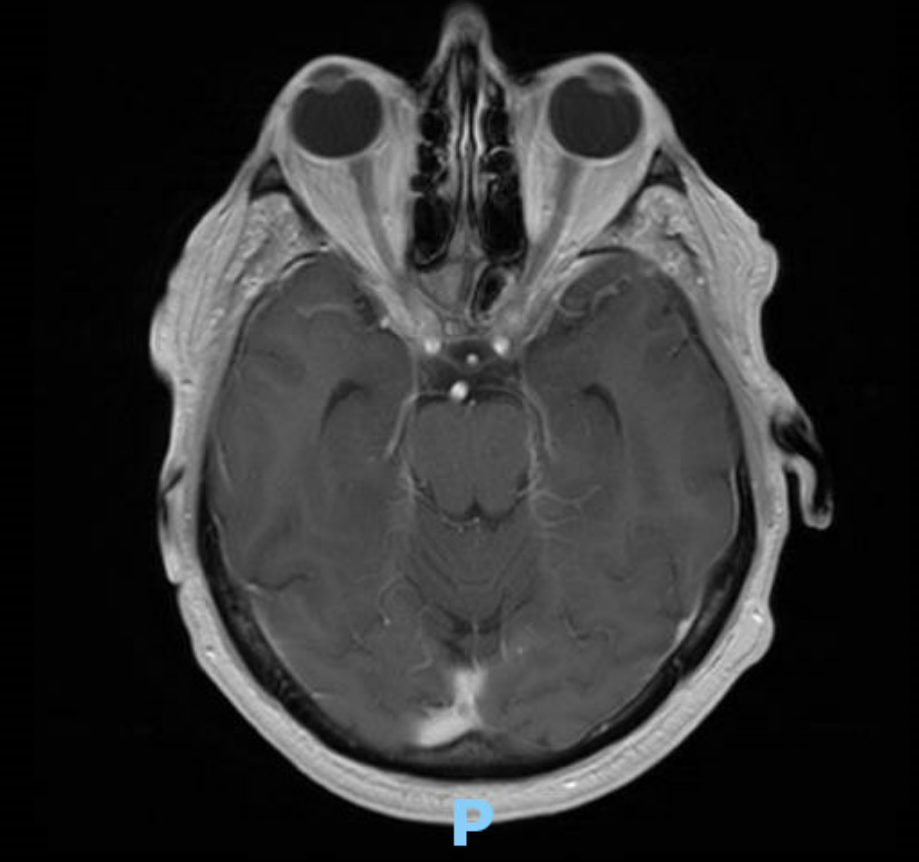
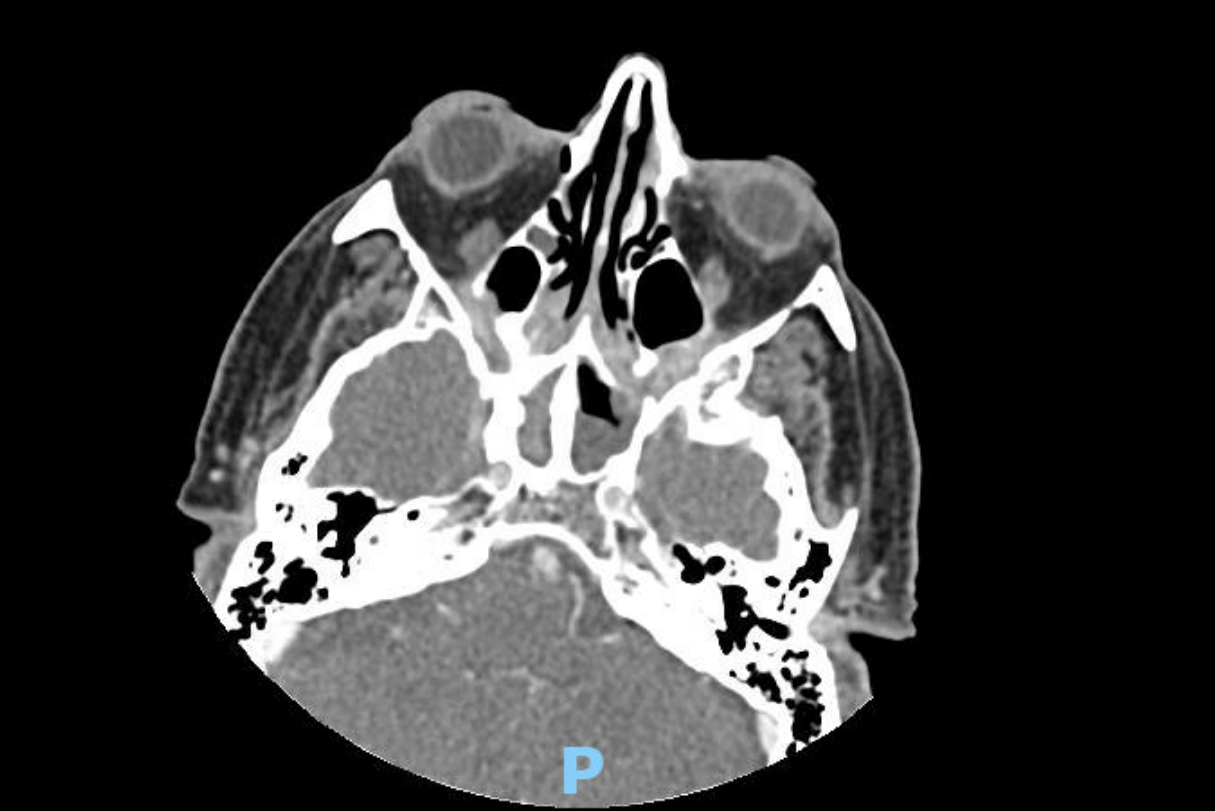
Case Presentation: We present a 67-year-old male with poorly controlled type 2 diabetes, hypertension, and recent coronary artery stenting who presented with sudden right eye vision loss and a history of persistent sinusitis. He had been managed outpatient with nasal steroids, prednisone, and antibiotics without improvement. Imaging revealed near-complete opacification of the right sphenoid sinus, partial involvement of the left, and extension into the orbital apex. MRI demonstrated bony erosions and soft tissue enhancement in the pterygopalatine fossa, without signs of venous thrombosis.ENT evaluation with nasal endoscopy and biopsy confirmed invasive fungal sinusitis. Intraoperative cultures grew two strains of Aspergillus and Staphylococcus lugdunensis. The patient underwent multiple surgical procedures including bilateral sphenoidotomy, ethmoidectomy, orbital decompression, and retrobulbar amphotericin injections. He received systemic antifungal therapy (amphotericin B, voriconazole), IV antibiotics (nafcillin, metronidazole), and supportive ophthalmologic care. Treatment-related complications included nephrotoxicity and liver dysfunction. Despite appropriate and timely therapy, unfortunately, the patient’s vision in the right eye did not recover, though he did regain movement of the right eye.
Discussion: This case underscores the aggressive course of invasive fungal sinusitis in patients with uncontrolled diabetes. The involvement of the sphenoid and maxillary sinuses with orbital extension and bacterial superinfection exemplifies a complex presentation that can lead to rapid deterioration. Aspergillus species have a propensity for vascular invasion, contributing to tissue necrosis and visual loss. The presence of Staphylococcus lugdunensis, an emerging pathogen capable of causing aggressive soft tissue infections, further compounded the disease severity.Prompt diagnosis through imaging and histopathology is essential yet often delayed due to nonspecific initial symptoms. Management requires a coordinated effort involving ENT, infectious disease, ophthalmology, and radiology teams. Surgical debridement, systemic antifungal agents, and close monitoring for drug toxicity form the cornerstone of treatment. Clinicians should maintain a high index of suspicion in diabetic patients with sinusitis and early orbital symptoms to avoid devastating complications such as vision loss or intracranial spread.
Conclusions: Clinicians should maintain vigilance for invasive fungal sinusitis in diabetics with sinusitis and acute orbital symptoms. Recognition of bacterial co-infection, particularly with virulent organisms such as Staphylococcus lugdunensis, is essential to guide therapy and improve outcomes. Prompt diagnosis via imaging and histopathology, followed by aggressive, multidisciplinary management, is crucial in order to prevent complications in these high risk patients.