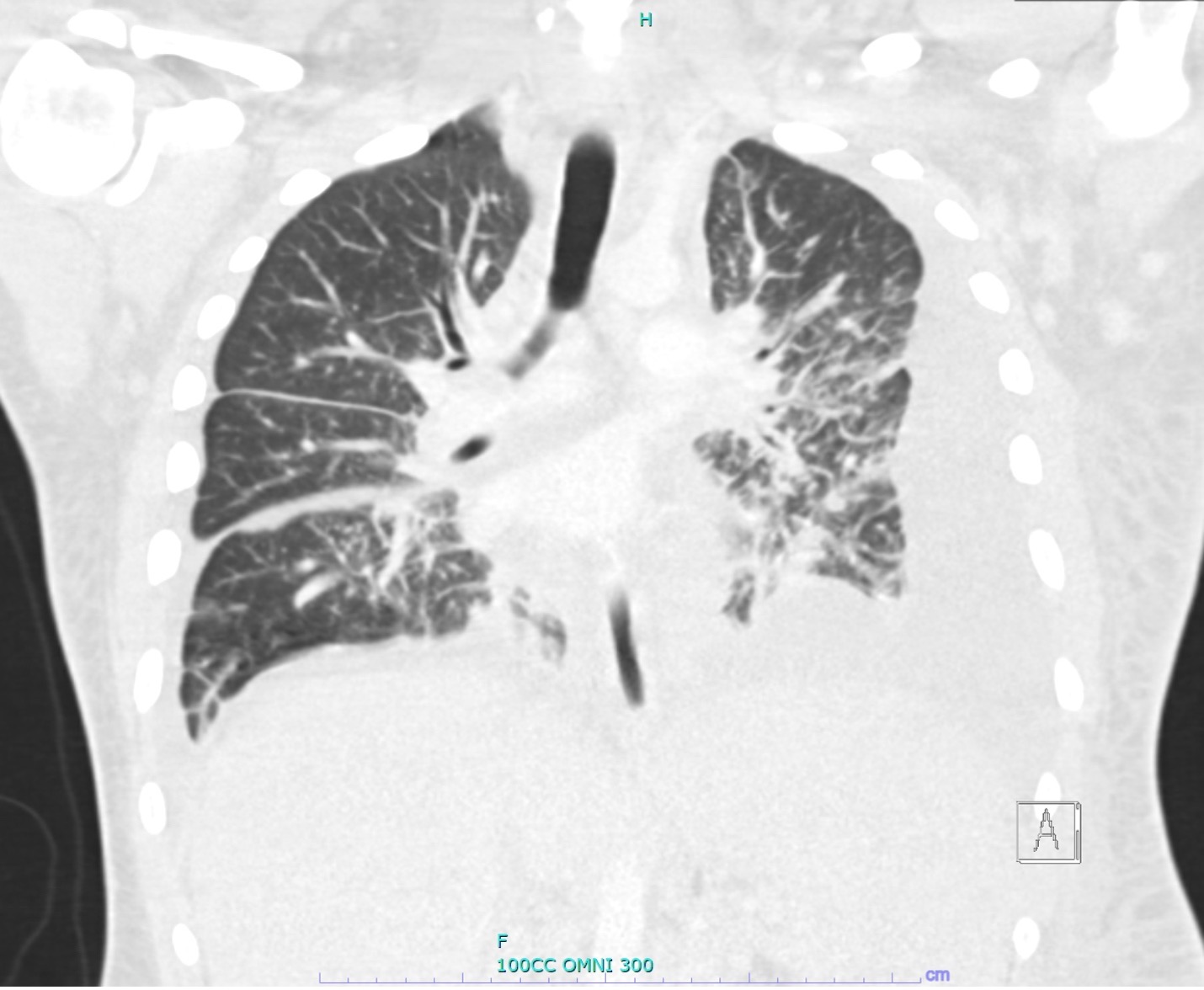
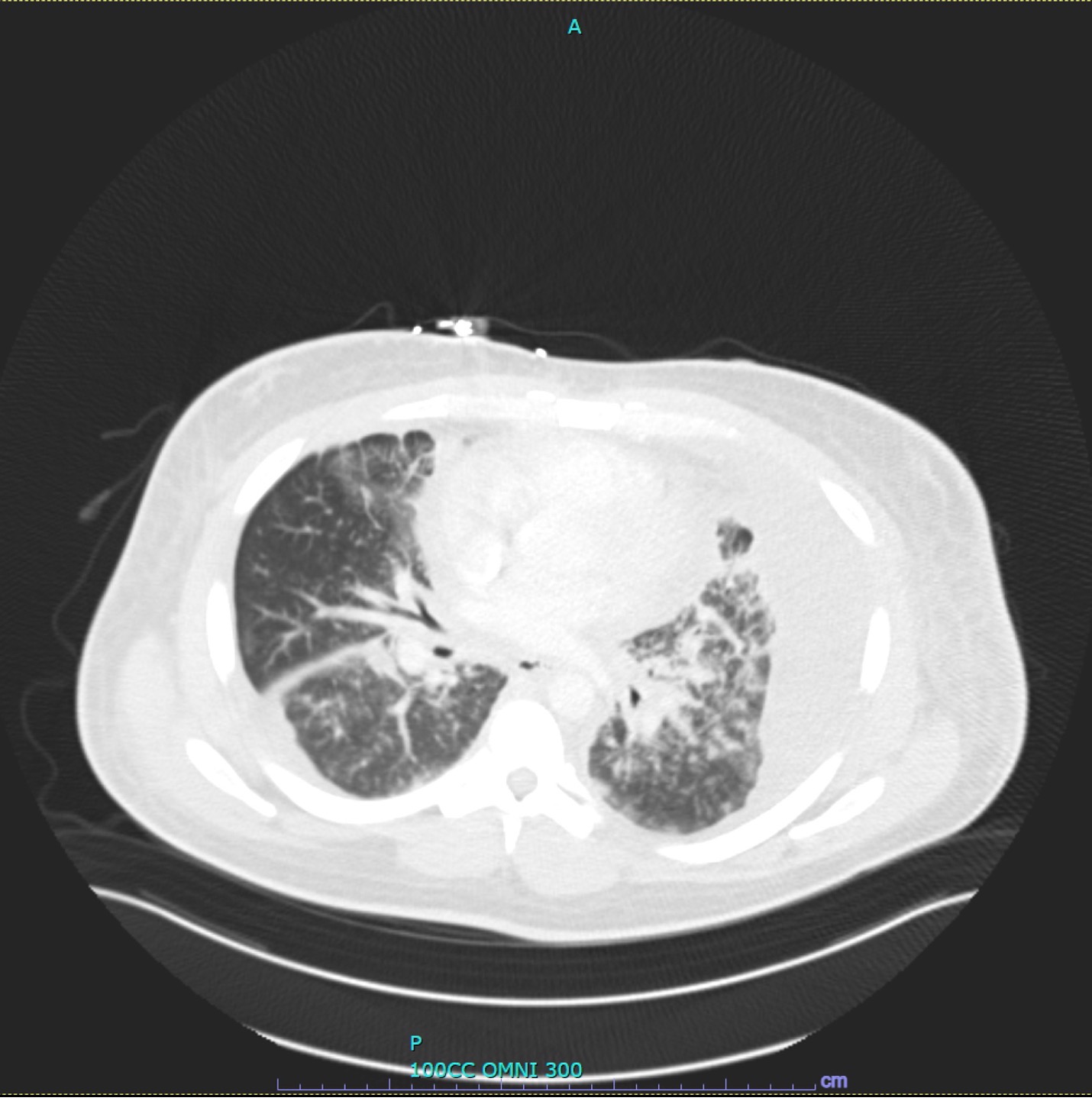
Case Presentation: A 31-year-old male with HIV (CD4 75, undetectable viral load four months prior) and visceral and pulmonary Kaposi Sarcoma on Doxorubicin presented with one month of dyspnea, fatigue, abdominal distention, and peripheral edema. His temperature was 102.3 F, blood pressure was 127/66 mmHg, heart rate was 120 beats per minute, respiratory rate was 24 breaths/minute, and he saturated 95% on 2.5 liters of nasal cannula. His physical exam was notable for hepatosplenomegaly and bilateral lower extremity pitting edema. Labs demonstrated anemia (hemoglobin 6.3 g/dL), thrombocytopenia (110 K/uL), and hypoalbuminemia (2.1 g/dL). Imaging showed worsening lymphadenopathy, bilateral pleural effusions, hepatosplenomegaly, and ascites.Thoracentesis yielded bloody fluid negative for malignancy or infection. Bronchoscopy identified abnormal mucosa, and biopsies returned negative for Kaposi Sarcoma. Pleuroscopy revealed granulation tissue without malignancy. Despite antibiotics and supportive care, the patient deteriorated with acute kidney injury and hyperferritinemia (>7500 ng/mL), leading to the initiation of steroids and Rituximab for presumed Multicentric Castleman’s Disease (MCD). The patient’s condition worsened, and he passed away. Postmortem histopathology revealed HHV-8-positive Multicentric Castleman’s Disease.
Discussion: Kaposi Sarcoma-associated herpesvirus (HHV-8) can cause Kaposi Sarcoma, primary effusion lymphoma, and MCD, an inflammatory lymphoproliferative disorder. In HIV, MCD is linked to elevated IL-6, VEGF, and fibrinogen, contributing to systemic inflammation, organ dysfunction, and symptoms like anasarca and lymphadenopathy. Diagnosis often requires biopsy due to overlapping presentations with other HHV-8-associated diseases.This case highlights the diagnostic challenge of HHV-8-associated MCD, as the clinical and imaging findings mimic progressive Kaposi Sarcoma and infections. The standard of care includes Rituximab, frequently with Lipomal Doxorubicin, which aims to decrease cytokine release. Even with treatment, advanced HHV-8-associated MCD has a high risk of end-organ damage and failure, especially renal failure, and therefore has been associated with high mortality.
Conclusions: Although the incidence of Kaposi Sarcoma has decreased with the emergence of anti-retroviral therapy (ART), the incidence in some subgroups in the United States is increasing. This case demonstrates the importance of early recognition and intervention for HHV-8-associated disease in patients living with HIV. Initiation of Rituxumab can improve outcomes, although treating advanced disease is challenging, and the treatment itself carries its own risks.