Case Presentation: Infective endocarditis is a well-recognized cause of persistent bacteremia, particularly from gram-positive organisms such as Staphylococcus aureus. Standard management includes pathogen-directed intravenous antibiotic therapy and, when indicated, surgical intervention. Nearly half of patients with infective endocarditis meet surgical criteria—such as valve abscess, paravalvular extension, valvular dysfunction, persistent bacteremia, or septic embolization—yet more than half of those patients ultimately do not undergo surgery due to high operative risk or personal preference. These scenarios pose significant therapeutic challenges and place greater reliance on prolonged medical therapy alone.
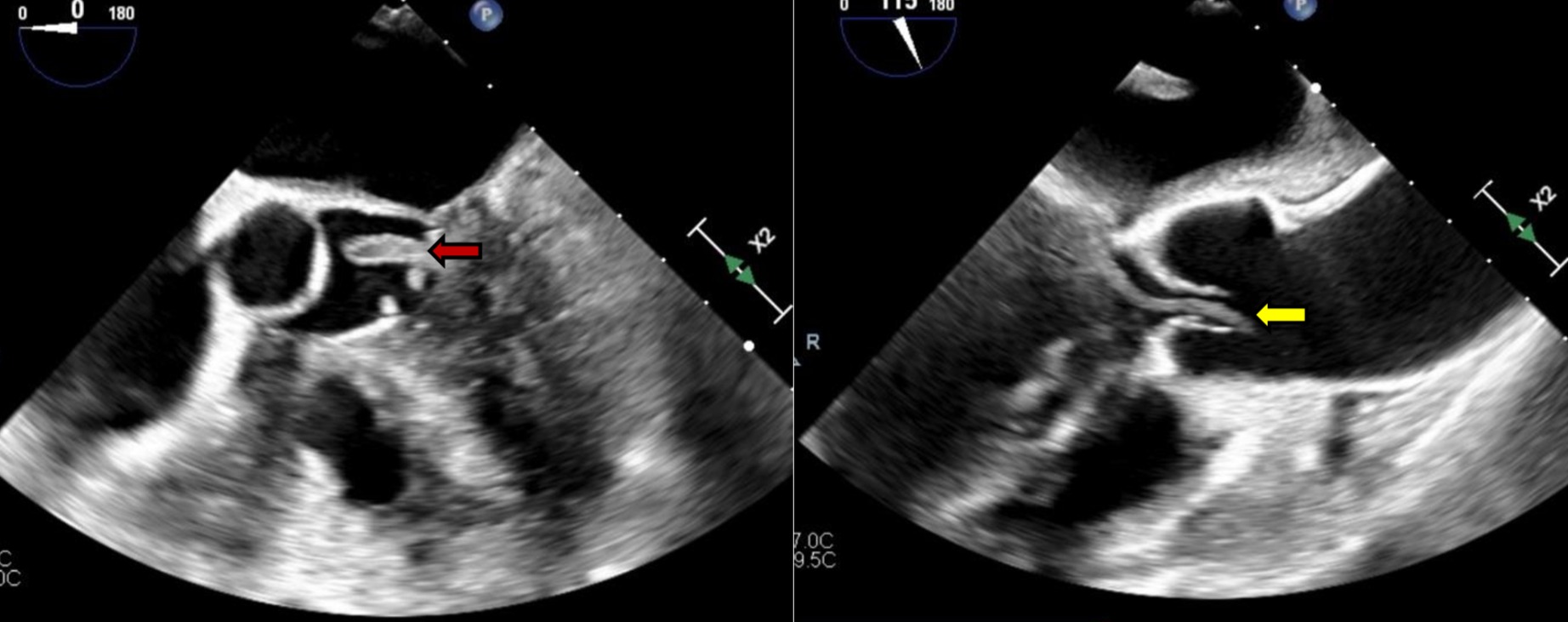
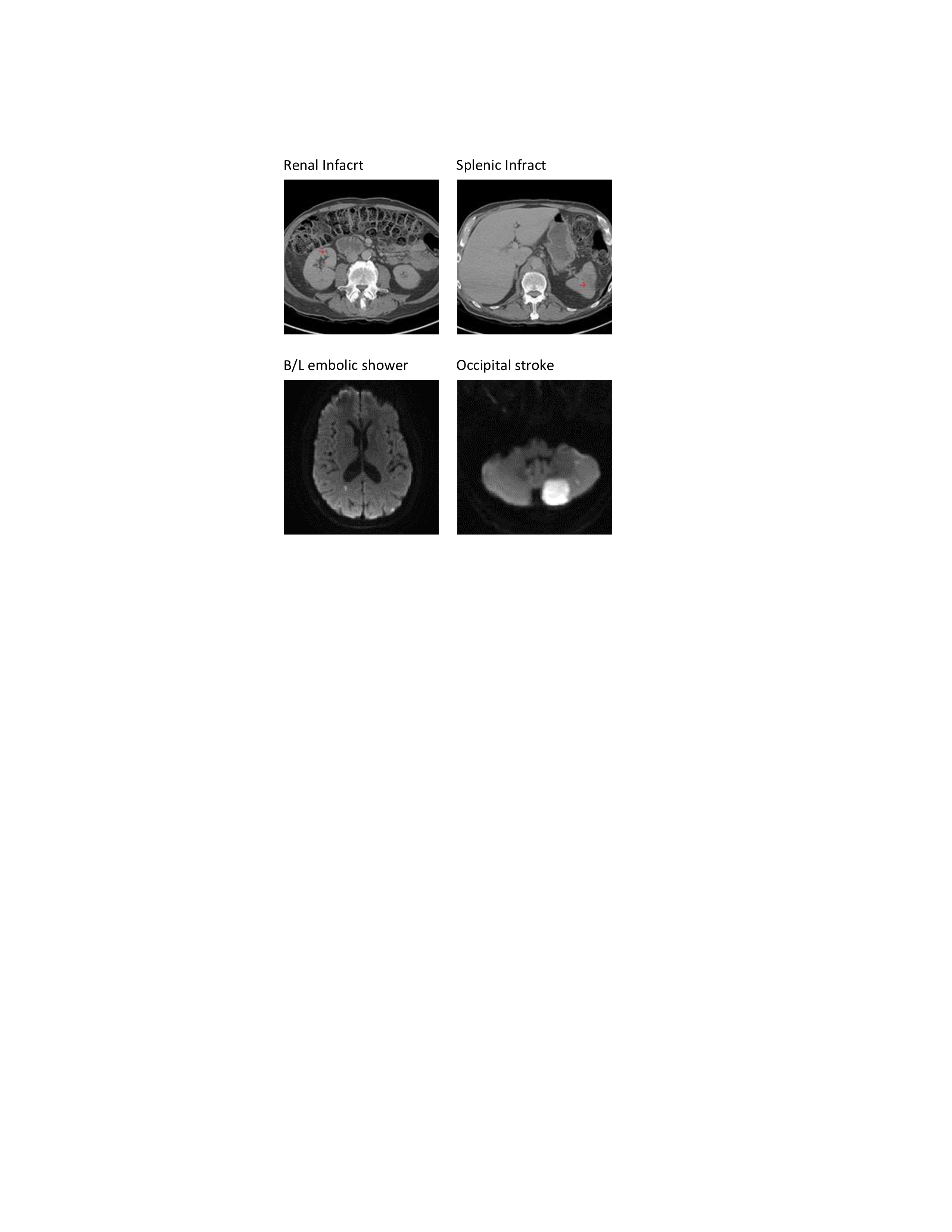
Discussion: A 74-year-old male presented with severe polyarthralgia, initially involving the right shoulder after lifting a heavy bag of salt, and subsequently affecting the left shoulder, right knee, and right foot. His symptoms were accompanied by high-grade fevers. Physical examination revealed multiple new reddish-blue cutaneous lesions consistent with possible embolic or vasculitis phenomena. During his hospitalization, he also developed new-onset diplopia. CT imaging of both shoulders demonstrated abscesses, prompting urgent surgical exploration and drainage. Over the next several days, urine cultures grew methicillin-sensitive Staphylococcus aureus (MSSA). The combination of fever, cutaneous lesions, and new visual disturbances raised concern for septic embolization. MRI of the brain confirmed multiple infarcts, and blood cultures subsequently grew MSSA. The patient was started on a continuous nafcillin infusion. Transesophageal echocardiography revealed mobile vegetations on both the mitral and aortic valves, confirming the diagnosis of infective endocarditis. Despite appropriate antibiotic therapy and multiple orthopedic washouts, blood cultures remained persistently positive for MSSA. Over time, the patient sustained additional renal and splenic infarcts, consistent with ongoing septic embolization. Given persistent bacteremia and evidence of embolic complications, valve surgery was strongly recommended. However, after extensive counseling, the patient declined operative intervention. Antibiotic therapy was transitioned from nafcillin to cefazolin, but bacteremia continued. Only after prolonged therapy did his blood cultures ultimately clear. Because surgery was not pursued, he completed a 6-week course of intravenous cefazolin following the first negative blood culture. Repeat echocardiogram in the outpatient setting revealed complete resolution of endocarditis.
Conclusions: Infective endocarditis remains a complex clinical entity when surgical intervention, being one of the two primary components of definitive management, is declined or contraindicated. In such cases, evidence-based guidance for optimal antibiotic duration is limited¹. Management must be individualized, with therapy often extended well beyond standard regimens and guided by the patient’s clinical trajectory and the timing of bacteremia clearance. This case highlights the importance of a patient-centered approach in situations where standard surgical indications cannot be met and underscores the need for close monitoring to prevent further complications.