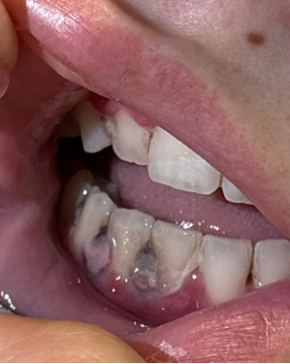
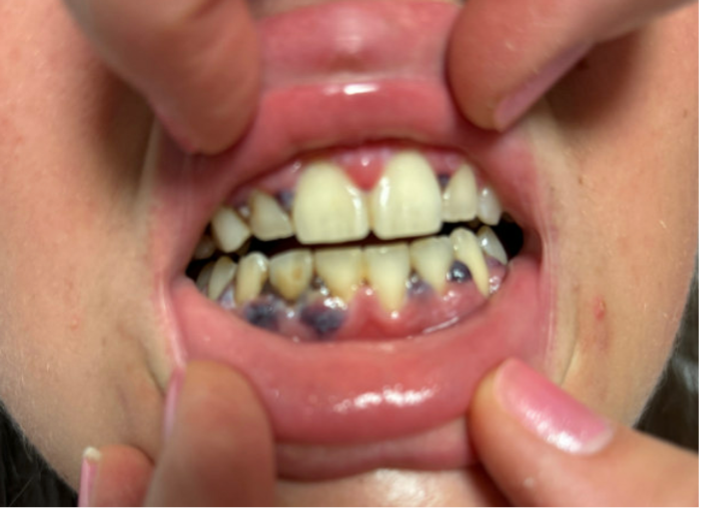
Case Presentation: A previously healthy 19-year-old woman presented with several days of sore throat, oral pain, fever, and a grey-black gingival discoloration. One month earlier, she had been diagnosed with acute Epstein–Barr virus (EBV) infection after returning from Europe. Four days prior to admission, her symptoms recurred and progressed to severe gingival pain and discoloration. A new systolic murmur noted during outpatient evaluation prompted hospital referral.Initial laboratory evaluation revealed profound neutropenia (absolute neutrophil count 0.03 K/µL), atypical lymphocytes, anemia, elevated inflammatory markers, and EBV serologies consistent with ongoing infection. The combination of fever, cytopenias, and mucosal necrosis led to a broad differential including acute leukemia, infective endocarditis, viral marrow suppression, autoimmune disease, and superimposed bacterial infection. Blood cultures were obtained, and intravenous vancomycin and piperacillin–tazobactam were started.A multidisciplinary workup followed. Cardiology evaluated the murmur; echocardiography demonstrated mitral regurgitation from left ventricular outflow tract obstruction consistent with possible hypertrophic cardiomyopathy, making endocarditis unlikely. Hematology considered leukemia but preserved remaining cell lines and smear findings supported a stressed marrow response to viral infection. Rheumatology studies, including ANA and complement levels, were negative. Infectious Disease reviewed an extensive infectious panel, all of which were negative; the isolated Staphylococcus epidermidis was deemed a contaminant.CT of the mandible with contrast showed no abscess, osteomyelitis, or deep space infection. Chlorhexidine rinses and magic mouthwash provided minimal improvement. With other etiologies excluded and necrosis worsening, necrotizing ulcerative gingivitis (NUG) secondary to EBV-associated transient immunosuppression was diagnosed. Oral and Maxillofacial Surgery was consulted, and she was discharged on oral metronidazole. She underwent same-day outpatient periodontal debridement with complete symptom resolution.
Discussion: Acute necrotizing ulcerative gingivitis is a rapidly progressive periodontal infection affecting less than 1% of the general population. It is characterized by gingival bleeding, severe oral pain, and necrosis of the interdental papillae. Although traditionally associated with poor oral hygiene or immunosuppression—most notably in patients with Human Immunodeficiency Virus—NUG can also occur in otherwise healthy individuals following significant physiologic stress or viral illness. Epstein–Barr virus has been linked to periodontal disease through overexpression of inflammatory cytokines and disruption of gingival epithelial integrity. In this case, EBV-associated neutropenia likely created a brief period of immune vulnerability that allowed gingival necrosis to develop.
Conclusions: This rare presentation of necrotizing ulcerative gingivitis in an immunocompetent patient highlights the importance of maintaining a broad differential when oral pain occurs in the setting of systemic symptoms such as fever and cytopenias. Early recognition is essential, as delayed diagnosis may lead to rapid tissue destruction and fatal long-term sequelae. Prompt multidisciplinary involvement and timely local debridement remain central to preventing progression and ensuring complete recovery.