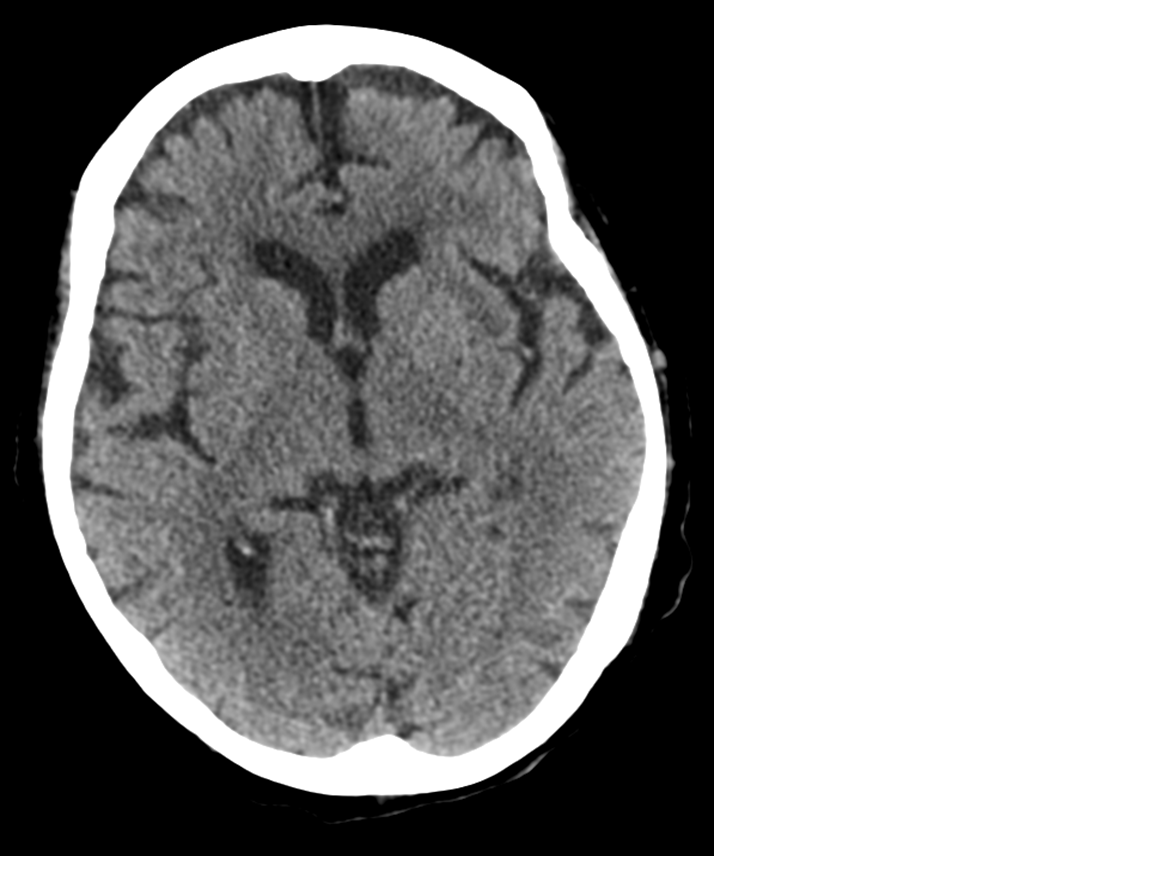
Case Presentation: An 83-years-old female with hypothyroidism, diabetes type 2, hypertension and atrial fibrillation presented with two-week progressively worsening right-sided ptosis, dysphagia, dry mouth, generalized weakness and recurrent falls. She denied chest pain, dizziness, palpitations, syncope or seizure history. She was treating stage IV metastatic gastric adenocarcinoma intestinal type diagnosed 4 months before admission with fluorouracil, oxaliplatin, folinic acid, trastuzumab and pembrolizumab. Head CT without contrast and brain MRI did not reveal any acute intracranial abnormalities or abnormally enhancing lesion. Due to neuro-muscle weakness causing threatened airway, she required ICU level care. Shortly after admission to the ICU, patient required intubation due to respiratory failure. Although acetylcholine binding and acetylcholine blocking antibodies were negative and muscle biopsy deferred in view of patient’s critical status, she was diagnosed with myasthenia gravis (MG) due to clinical criteria and exclusion of other causes. She completed 5 cycles of IVIG, plasmapheresis with no improvement and was also started on pyridostigmine and high dose of IV steroids. She continued to deteriorate clinically, was not responsive to the treatment and was not able to be weaned off the ventilator. Given the poor prognosis of the metastatic gastric cancer, her son decided on comfort care, and she was admitted to inpatient hospice. She developed respiratory failure after extubation and expired peacefully among family members that same night.
Discussion: Prompt identification of immune checkpoint inhibitor (ICI)-induced myasthenia gravis (MG) is crucial due to the possibility of rapid deterioration and high mortality rate, especially when compared to non-iatrogenic MG. [1,4] It is a rare yet highly life-threatening adverse effect of ICIs. [5] A strong clinical suspicion plays a pivotal role in diagnosing ICI-related MG. Considering the anticipated substantial rise in exposure to ICI therapy within specific cancer populations, such events may be less uncommon than previously observed. [1] Diagnosing and managing this condition pose significant challenges due to limited number of documented cases in the literature. [1,4] The 2019 National Comprehensive Cancer Network guidelines indicate that the diagnosis of immune-related MG (irMG) does not require positive antibody test. [3] In fact, some studies have shown that detecting circulating autoantibodies is not consistently clinically beneficial, as serological test positivity rates were lower in irMG cases than in classical MG. [3,5] Certain systematic reviews indicate superior results in patients initially treated with intravenous immunoglobulin or plasmapheresis compared to those solely administered steroids as primary therapy. [1] A recent study presented the first case of successfully treated immune-related adverse event myasthenia gravis with rituximab. [2]
Conclusions: Pembrolizumab and other immune checkpoint inhibitors are the emerging treatment for selected high-grade malignancies. Pembrolizumab-Induced Myasthenia Gravis is rare; however, it has a very rapid clinical progression, often presenting with a very poor prognosis. Internal Medicine Physicians should have a high degree of suspicion in patients with neurological symptoms after treatment with pembrolizumab. Early diagnosis, early discontinuation of the culprit medication and early treatment are key to improving prognosis.