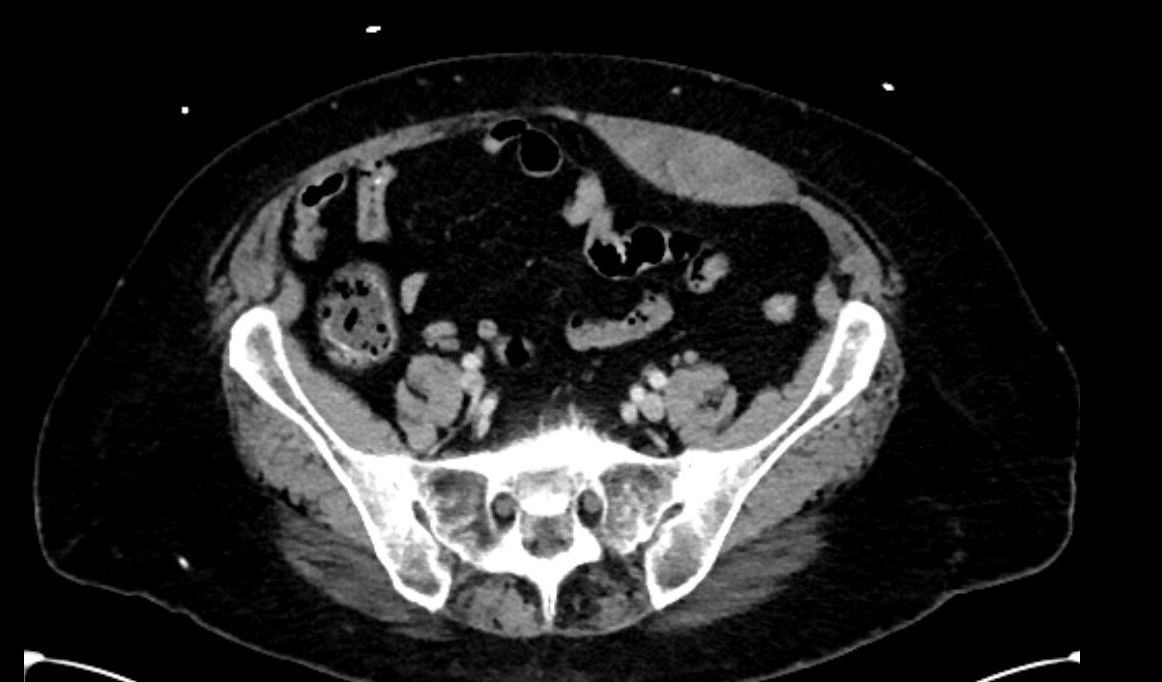
Case Presentation: Rectus sheath hematoma is a rare cause of abdominal pain. Most are associated with anticoagulant use or trauma. Spontaneous rectus sheath hematoma after coughing or increase in intra-abdominal pressure is rare. Patients’ presentation can mimic other intra-abdominal pathology making it challenging to diagnose without a thorough history, physical examination, and diagnostic imaging. A 64-year-old female with past medical history of hypothyroidism, Type 2 diabetes mellitus, and mood disorder presented to the emergency room with sudden onset of severe abdominal pain. The patient reported recovering from an upper respiratory infection and several days of mild abdominal pain related to her persistent coughing. Following a bowel movement, the patient suddenly developed acute left sided abdominal pain with nausea and diaphoresis which prompted her to present to the emergency room. Her vitals were significant for normal blood pressure and mild tachycardia. Her physical exam revealed a tender left lower quadrant mass.Labs were significant for hemoglobin 12.6gm/dl with normal platelet count and coagulation studies. CT imaging of the abdomen was notable for a moderate sized left rectus sheath hematoma with active arterial contrast extravasation. The patient underwent a diagnostic angiogram with successful embolization of the left inferior epigastric artery. Post procedure, she was managed with pain medications, anti-tussives, and a strict bowel regimen. Her hemoglobin remained stable, and she was discharged home two days later.
Discussion: This case highlights the development of a rectus sheath hematoma in the absence of anticoagulation or traumatic injury. Risk factors for rectus sheath hematoma include pregnancy, obesity, age, hypertension, female sex. Patients typically present with abdominal pain accompanied by a mass. Fever, nausea, weakness, and chills may also be present. They are caused by an injury to the epigastric artery, most commonly from a perforation resulting from a traumatic injury. In this case report the hematoma was most likely precipitated by a combination of increased intra-abdominal pressure from persistent intense coughing and Valsalva maneuver during a bowel movement. Although most cases of rectus sheath hematoma occur in those who are anticoagulated, this case underlines the importance of considering rectus sheath hematoma in those not on anticoagulation who present with acute abdominal pain. Coordination of prompt imaging, and early interventional diagnostic measures is essential in cases with active extravasation to prevent hemodynamic decline.
Conclusions: Rectus sheath hematoma is difficult to diagnose, and not always on the differential especially for patients not on anticoagulation Risk factors such as recent viral illness causing severe cough may be a clue for spontaneous rectus sheath hematoma in patients presenting severe acute onset abdominal pain Patients may not initially present with drop in hemoglobin, therefore, serial exams and repeat labs may be warranted