Background: Type 2 diabetes (T2DM) is a growing epidemic and now the 7th leading cause of death (1). Despite new advances in medications and technology more than 50% of adults with diabetes in the U.S still don’t achieve the recommended goal of glycated hemoglobin (HbA1c) level of 7.0% or less (2).Local Problem : Hispanics with T2DM residing in the Rio Grande Valley (RGV) have a higher prevalence (30.7% vs 12.3% nationwide), lower glycemic control rates, and a 48% increased risk of dying due to complications from diabetes (5). The literature illustrates a team approach, and the use of remote home glucose monitoring (RGM) can improve clinical outcomes for patients with diabetes; however, there is limited data on the use of these methods in the Hispanic population. Purpose & Objectives:The purpose of this project was to create a program (DHR Health T2 Diabetes Intervention Program) incorporating both a team approach and use of RGM to evaluate effectiveness in improving glucose control and clinical outcomes among Hispanic adults with uncontrolled T2DM, residing in the RGV. Objectives- Determine if at least 80% of participants in the program experienced a minimum of 1% decrease in HbA1c level from enrollment and post completion- Compare and evaluate the HbA1c results from participants who received care through the program with patients from a comparison group- Examine clinical outcomes, such as weight, body mass index (BMI), blood pressure (BP), diabetes emotional distress, and treatment satisfaction on participants using validated questionnaires post program completion.
Methods: Pilot Study on Hispanic adults with uncontrolled T2DM and recent Hba1c greater than 9%.Intervention Group (n=30)- Multidisciplinary team (endocrinologist, nurse practitioner, pharmacists, counselors, and dieticians) and RGM - Total of 3 follow up visits; 1 visit with each team member, follow up phone calls and weekly glucose monitoring – Over a 3-month periodComparison group (n=30) - Patients who receive the clinic’s usual approach to T2DM management by an endocrinologist only.
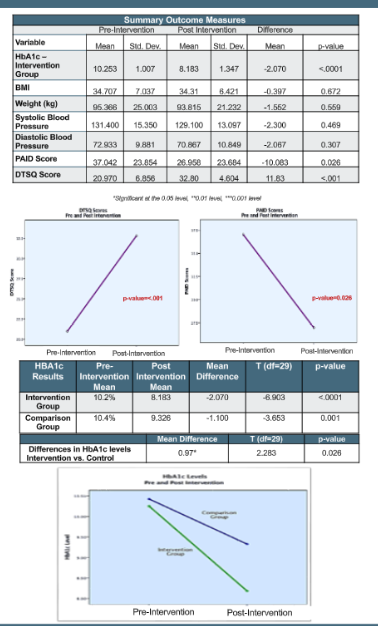
Results: – 100% completion of program from participants - 86% of participants from the intervention group experienced at least a 1% decrease in HbA1c – Intervention group had a mean HBA1c decrease of 2.0% post program completion compared to a 1.1% HBA1c reduction from the comparison group - No significant impact on BMI, weight, and blood pressure was seen post program completion from intervention group- Significant improvement in scores showing improvement in emotional wellness (PAID) and higher patient satisfaction (DTSQ) post program completion
Conclusions: – Use of a team approach and RGM is an effective approach to improve glycemic control, decrease diabetes distress and increase patient satisfaction among Hispanics adults with uncontrolled diabetes residing in the RGV. - Future research should focus on the cost effectiveness of having a team approach with RGM and how this can aid in reducing diabetes-associated complications and hospitalizations .