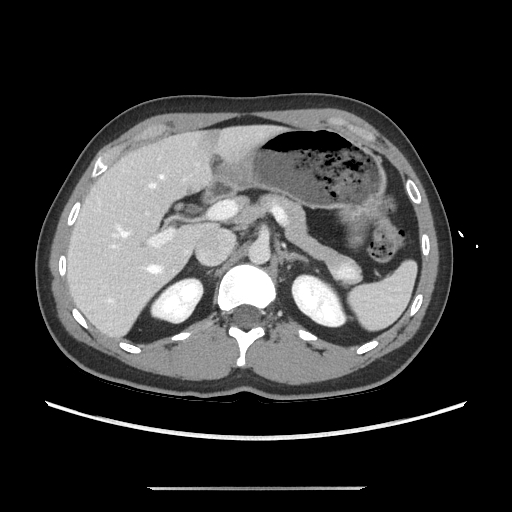
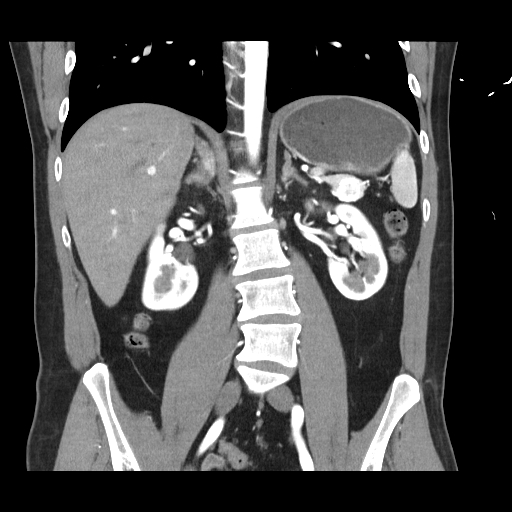
Case Presentation: A 34-year-old male with a history of seizures treated with levetiracetam and carbamazepine was brought to the emergency department after an episode of generalized jerking movements and unresponsiveness. Emergency medical services documented a serum glucose level of 27 mg/dL, administered intravenous dextrose, and transported him to the hospital. On arrival, he was hemodynamically stable but continued to be hypoglycemic (46 mg/dL) and hypokalemic (3.1 mmol/L). Physical examination and head CT were unremarkable. Electrocardiogram demonstrated normal sinus rhythm. He denied ingestion of hypoglycemic agents, changes in diet, alcohol use or recreational drug use. He reported a similar episode 10 years earlier, during which a “seizure” was attributed to a convulsive disorder without further evaluation. During hospitalization, he experienced recurrent episodes of spontaneous hypoglycemia with significant glucose variability despite continuous dextrose infusion. Further evaluation revealed normal cortisol levels, negative sulfonylurea screening, and elevated C-peptide (4.9 ng/mL). Abdominopelvic CT showed a 2.0 cm enhancing mass in the pancreatic tail. He was referred for surgical resection, and histopathology confirmed a pancreatic neuroendocrine tumor consistent with insulinoma. At discharge, he received education on hypoglycemia recognition and was provided with home glucose monitoring tools.
Discussion: Hypoglycemia is a frequent and high-impact problem in hospital medicine. Although its immediate management is often straightforward, identifying the underlying cause is considerably more complex and clinically meaningful. Delayed recognition can lead to recurrent admissions, inappropriate treatment, and preventable patient harm. While most inpatient hypoglycemia is iatrogenic or related to nutrition or acute illness, persistent or fasting-related episodes should prompt evaluation for endogenous etiologies.Insulinoma is a rare but critical cause of endogenous hyperinsulinemic hypoglycemia. The low incidence (1-4 cases per million people per year), together with the ability to mimic neurological or psychiatric disease, often leads to misdiagnosis. This case illustrates how neuroglycopenia can present with seizure-like activity, resulting in an incorrect diagnosis and years of unnecessary antiepileptic therapy.Rather than focusing on the more common inpatient causes of hypoglycemia, this case underscores the importance of stepping back when the clinical picture does not fit. Fluctuating glucose levels despite appropriate supplementation, absence of iatrogenic triggers, and a history that hints at longstanding unexplained episodes should prompt clinicians to broaden their differential early. Recognizing when the pattern breaks from expectation is often what redirects the evaluation toward rare but consequential diagnoses such as insulinoma.
Conclusions: This vignette emphasizes how hospitalists, through vigilant pattern recognition and comprehensive inpatient evaluation, are uniquely positioned to uncover rare yet clinically significant causes of hypoglycemia. In this case, attentive observation transformed a decade-long misdiagnosis into a curable condition. Recognizing recurrent or unexplained hypoglycemia as a potential sign of endogenous disease is essential. Early identification not only prevents unnecessary treatments and patient harm but can also be life-changing when the underlying cause is fully reversible.